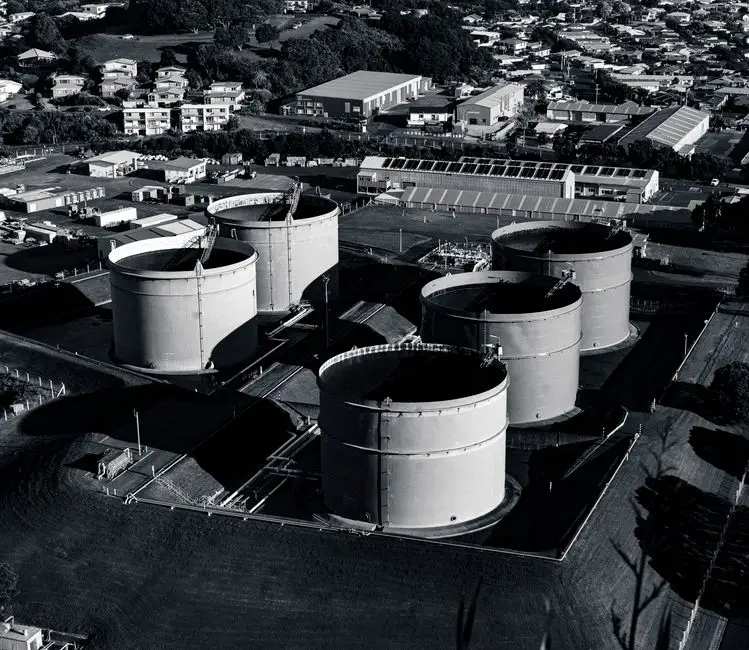
New Water Heater Tank
A 40, 50, or 75-gallon Rheem, AO Smith, or Bradford White unit sized to your household. We match the fuel type and capacity to your existing setup so no plumbing changes are needed.
Every replacement includes the new tank, the labor, and the code items Keller requires. We list what is covered so you know exactly what you are paying for. Anything beyond a standard swap, like relocating the tank or upgrading the venting, we price before we start.
A 40, 50, or 75-gallon Rheem, AO Smith, or Bradford White unit sized to your household. We match the fuel type and capacity to your existing setup so no plumbing changes are needed.
We drain, disconnect, and remove the old tank, including the rusted bottom section. The unit leaves with us. You do not have to schedule a separate pickup or haul a 150-pound tank to the curb.
Every install gets a fresh anode rod, new dielectric unions, and a new T&P valve. These are the parts that protect the new tank bottom from the corrosion that killed the old one.
Tarrant County code requires a thermal expansion tank on closed systems and a drain pan under the unit. We install both, with the pan drain routed to a safe location.
We pull the plumbing permit when the job requires it and meet the inspector on site. Your Keller install is documented and code-compliant, which keeps the manufacturer warranty intact.
Rotted Tank Bottom Replacement Keller TX is a water heater service that removes a tank whose steel bottom has corroded through and installs a new unit before the leak causes structural damage. The tank bottom sits directly on the burner plate, so moisture, sediment, and a spent anode rod eat the steel from the inside out. Once rust breaks through, no patch or sealant holds. We drain the tank, cut it out, and set a new water heater with fresh fittings, a new anode rod, and code-correct connections.
Keller homes built in the 1990s and early 2000s are hitting the age where original tanks fail at the base. If you have water heater leaking from bottom in Keller, Texas, you are usually looking at a 10 to 15 year old unit that has finished its run. We see this most in garages and attic closets where the tank sits on a pan that hides the first drips. Catching it early saves drywall, flooring, and a much bigger repair bill.
Every job follows the same five steps. You know what happens, how long it takes, and what it costs before we start cutting pipe. Most replacements are done in two to four hours.
Schedule
Call or book online — a real human picks up and confirms a 2-hour arrival window.
Diagnose
Licensed tech inspects on-site, then walks you through the cause and your options.
Fix
The job is completed to code and done right the first time — no shortcuts, no surprises.
Guarantee
Every job backed by a written workmanship warranty — and we stand behind it.
Pipe Cutter and Soldering Iron
Used to cut and sweat copper pipe on the supply and outlet lines. Clean cuts and proper solder joints prevent leaks at the connections after the new tank is set.
Multimeter
Tests the tank bottom and heating elements for continuity. It confirms whether the leak is from the shell or a fitting before we commit to a replacement.
Wrench and Screwdriver Set
Used to disconnect gas lines, unions, and the T&P valve. The right size wrench prevents stripped fittings on the old tank and the new one.
Drain Hose and Pump
Empties the tank before removal. For attic and basement units, a pump moves water to a safe drain so the floor and ceiling stay dry.
Anode Rod Socket
Removes and installs the anode rod. A fresh rod is the single best defense against the corrosion that rots a tank bottom.
Combustion Analyzer
Checks gas water heater venting and draft after install. It confirms the unit exhausts correctly and meets code for carbon monoxide safety.
Tank Bottom Pressure Test
We isolate the tank from the plumbing and pressurize it to confirm the shell has failed. This separates a true rotted tank bottom from a leaking fitting, T&P valve, or drain valve, so you do not pay for a replacement you do not need.
Code-Correct Copper Repipe
We replace the supply and outlet connections with new copper pipe and dielectric unions. This meets Texas plumbing code and prevents the dissimilar-metal corrosion that eats fittings on a new tank.
Anode Rod Replacement Protocol
Every tank we install gets a fresh anode rod, and we note the replacement date. We recommend a new rod every 3 to 5 years, which is what keeps the new tank bottom from rotting out early.
Venting and Draft Verification
On gas units, we verify the flue, draft hood, and exhaust with a combustion analyzer. Proper venting is required by code and keeps the water heater safe for your Keller home.
01
What we do: We confirm the shell has failed with a multimeter and visual check, then install a new 50-gallon gas tank with fresh venting and an expansion tank. The old unit is hauled away.
→ Hot water is back the same afternoon, the floor is dry, and the new tank carries a full manufacturer warranty.
02
What we do: We shut off the supply, drain the tank, and carefully remove it down the attic access. A new electric unit goes in with a pan and drain line routed to code.
→ The ceiling leak stops, the new tank runs quietly, and the homeowner avoids a drywall repair bill.
03
What we do: We dispatch the same day, replace the tank, pull the permit, and coordinate with the property manager. Tenants get a walkthrough of the new shutoff and settings.
→ Tenants have hot water within hours and the owner has a documented, code-compliant install.
04
What we do: We inspect the anode rod and tank bottom. The shell is compromised, so we replace the unit and add a thermal expansion tank to protect the new one.
→ Rusty water clears within a day and the new tank is set up to last its full warranty period.
Keller sits on hard, mineral-heavy water that leaves sediment in every tank. That sediment settles on the tank bottom, traps heat against the steel, and speeds up corrosion. Add the fact that many Keller homes were built between 1995 and 2010, and you get a wave of original tanks failing at the base right now. We see it in garages across Hidden Lakes and in attic closets in Tuscany Keller. When you search for water heater bottom replacement in Keller, Texas, you usually need it done today, not next week. Our trucks carry 40, 50, and 75-gallon Rheem and AO Smith units, so most jobs are finished in one visit. We know the local code requirements for expansion tanks and pan drains, and we pull the permit when the job calls for it. If you need replace rusted water heater tank bottom Keller TX service, we handle the whole job, from shutoff to haul-away.
Hidden Lakes
Many homes here have original 2000s-era tanks in the garage. Hard water means sediment buildup is common, and bottom failures show up around the 12 to 15 year mark.
Tuscany Keller
Attic-installed tanks are common. We bring drop cloths and a pump to protect ceilings and stairs when removing a rotted unit from an attic closet.
Old Town Keller
Older homes often have tight utility closets and non-standard venting. We measure before we arrive so the replacement tank fits the space and meets code.
Marshall Ridge
Larger households here run 75-gallon tanks. When a bottom fails, we match the capacity so the family does not lose hot water recovery time.
Hard water with high mineral content
Sediment settles on the tank bottom and traps heat against the steel, which accelerates corrosion. An annual flush and a fresh anode rod are the best defense.
Tanks sitting in unconditioned garages
Summer heat and winter cold swings stress the tank and fittings. We check the pan, expansion tank, and connections on every garage install.
Attic and closet installations
Limited access makes removal slower and riskier. We plan the route, protect the home, and use a pump to drain the old tank before moving it.
A rotted tank bottom shows up in a few predictable ways. Here is what Keller homeowners call us about, what happens if you wait, and how we fix it.
Problem
The leak keeps soaking the pan, the framing, and the garage floor. Mold and drywall damage follow within days.
Our Fix
We confirm the tank bottom has failed, shut off the supply, and install a new unit the same day. The leak stops, the pan dries out, and no further water reaches your floor.
Problem
Rust in the hot water means the tank interior is corroding. It will not clear up on its own and the tank is on borrowed time.
Our Fix
We diagnose whether the anode rod or the tank shell is the source. If the bottom is compromised, we replace the tank. If not, a rod swap and flush buys you years.
Problem
Sediment buildup on the tank bottom traps heat and speeds corrosion. The noise gets worse and recovery time drops.
Our Fix
We flush the tank and inspect the bottom. If corrosion has already broken through, we replace the unit. If not, a sediment flush and new anode rod restore performance.
Problem
Guests arriving, no hot water, and a wet floor. A failed tank bottom cannot wait until the next business day.
Our Fix
We run 24/7 emergency dispatch across Keller. Call (817) 839-0768 and we get a tech moving with a replacement tank on the truck, holidays included.
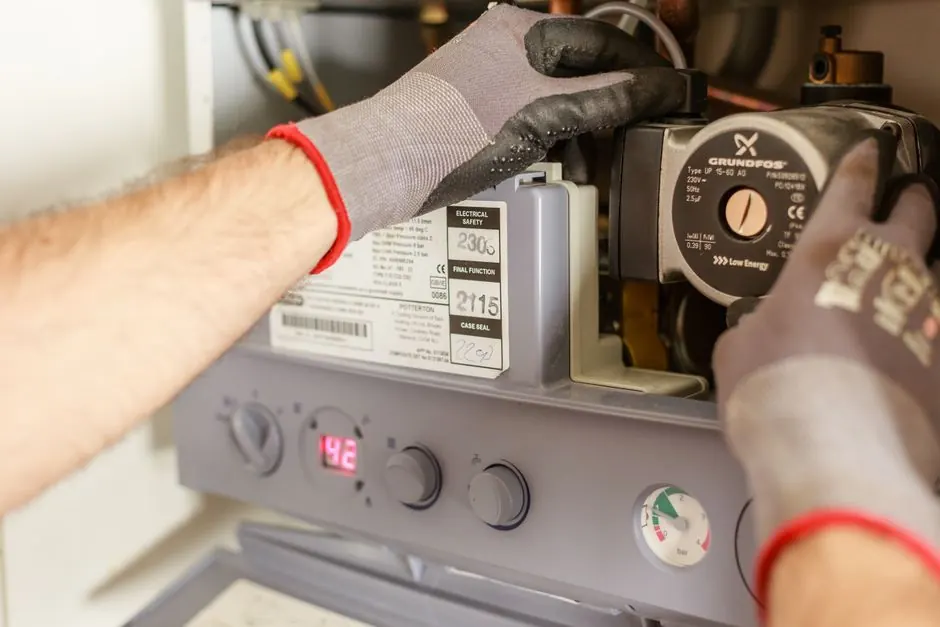
A leaking tank bottom does not heal. It spreads rust, ruins the pan, and soaks the framing under your water heater. Replacing the tank stops the damage and restores reliable hot water the same day.
Stop Water Damage Fast
A pinhole in the tank bottom can release 2 to 5 gallons an hour into your pan and floor. We shut off the supply, drain the tank, and install a new unit so the leak stops the same visit. No waiting on a patch that will not hold.
Restore Consistent Hot Water
A corroded tank bottom usually means sediment buildup has already killed recovery speed. A new Rheem or AO Smith tank with a fresh anode rod brings back full capacity. You get hot showers back without the popping and rumbling.
Avoid Emergency Flooding
Tank bottoms fail without warning, often at 2 a.m. or before a holiday. Replacing a rotted tank on your schedule beats a burst tank replacement after the garage floods. We offer 24/7 emergency dispatch across Keller and Tarrant County.
Protect Your Warranty
A licensed plumber installing your tank with code-correct copper pipe and a proper expansion tank keeps the manufacturer warranty valid. DIY installs and unpermitted swaps void coverage. We document the install so your paperwork is clean.
Google ★★★★★4.9
Called about a leak from the bottom of our tank. They came out the same day, confirmed the tank bottom was rotted, and had a new one installed by afternoon. Clean work and the price matched the quote.
Yelp ★★★★★4.8
Attic tank replacement in Tuscany Keller. The techs protected the stairs and ceiling and hauled the old unit away. No more leak and the hot water is back to normal. Would use again.
BBB ★★★★★4.9
We manage rentals and they handle all our Keller water heaters. Fast, licensed, and they pull the permits. The rotted tank replacement at our duplex passed inspection the first time.
Our technicians are state-licensed plumbing contractors and NATE certified, working on gas and electric tanks every day across Tarrant County. We carry Rheem, AO Smith, and Bradford White units on the truck and know which models fit Keller homes with tight attic closets and low-clearance garages. We follow Texas plumbing code on every install, from the expansion tank to the venting. When a tank bottom rots, we know exactly why it happened and how to keep the next one from failing early.
Real answers to the questions we hear most often from local homeowners and property managers.
Full install of a new tank when the old one has failed. We size the unit, set the pan, and connect gas or electric so your Keller home gets hot water back the same day.
View Water Heater Installation & ReplacementIf you are switching to tankless after a rotted tank failure, we repair and service Bosch and Rheem units. Descaling and error-code diagnosis keep your endless hot water running.
View Tankless Water Heater RepairGas control valve, pilot light, and thermocouple work on the new tank. We test the gas line and venting so the unit fires clean and safe after a Keller replacement.
View Gas Water Heater RepairElement and thermostat replacement on electric tanks. After a bottom replacement, we verify both elements and the upper thermostat so recovery time is back to spec.
View Electric Water Heater RepairNot every leak means a dead tank. We check fittings, the T&P valve, and the drain valve first. If the tank bottom is sound, we repair the leak and save you the replacement cost.
View Water Heater Leak RepairWhen a tank bottom lets go completely, water floods fast. We shut off the supply, extract the standing water, and install a new unit before the damage spreads.
View Burst Water Heater ReplacementWe're here to help! Reach out to us for any questions or to schedule a service. We typically respond within the hour.
Phone
(817) 839-0768Address
Keller, Texas
Hours
Mon–Fri: 7AM – 7PM
Sat: 8AM – 4PM
Sun: Emergency Only
24/7 Emergency Available