New Expansion Tank
We supply a new bladder-style tank sized to your heater's gallon capacity and your home's incoming pressure. Common residential sizes are 2-gallon and 4.5-gallon. The tank comes pre-charged and we fine-tune the psi on site.
Every job starts with a pressure test and a look at the whole heater, not just the failed tank. Here is what is covered in a standard replacement, and what we quote separately if we find it.
We supply a new bladder-style tank sized to your heater's gallon capacity and your home's incoming pressure. Common residential sizes are 2-gallon and 4.5-gallon. The tank comes pre-charged and we fine-tune the psi on site.
We replace the union, nipple, and any corroded fittings at the tank connection. If the copper pipe is pitted, we cut it back and re-solder a clean section so the new tank is not bolted to failing pipe.
The tank gets strapped or bracketed so it is not hanging off the pipe by threads alone. Proper support prevents vibration cracks and keeps the connection stable through years of heat cycles.
After install we open the valve, purge air from the tank, and watch every joint under live pressure. We run the heater through a heat cycle and re-check the T&P valve to confirm the system is holding.
We inspect the anode rod and test the pressure relief valve while we are on site. If either is worn out, we quote the replacement and can usually finish it in the same visit.
You get the tank warranty terms in writing and a record of the install. If a permit is required for your address, we pull it and leave the paperwork with you for future inspections or resale.
A thermal expansion tank is a small pressurized bladder tank that mounts on the cold-water line above your water heater. When water heats up, it expands, and that extra volume has to go somewhere. The tank absorbs it so pressure stays inside safe limits. Thermal Expansion Tank Replacement Keller TX means we cut out the failed unit, match the new tank to your heater's gallon capacity and incoming water pressure, then charge the bladder to the correct psi before we open the valve.
Most Keller homes sit on closed plumbing systems with a backflow preventer or pressure-reducing valve, so there is nowhere for expanding water to escape. That is why the tank fails first. If yours is leaking, waterlogged, or your relief valve drips, call us for Keller TX expansion tank service. We see this constantly in two-story homes off Keller Parkway and in older builds near Old Town Keller, where the original tank has been sitting on the line for a decade or more.
You get a clear sequence, a set price, and a dry floor when we leave. Here is exactly what happens from your first call to the final pressure check.
Schedule
Call or book online — a real human picks up and confirms a 2-hour arrival window.
Diagnose
Licensed tech inspects on-site, then walks you through the cause and your options.
Fix
The job is completed to code and done right the first time — no shortcuts, no surprises.
Guarantee
Every job backed by a written workmanship warranty — and we stand behind it.
Pipe wrench and adjustable wrench
Used to break the unions and fittings loose without crushing the copper. We carry two sizes so we can hold the line steady while turning the tank connection.
Pipe cutter
Cuts corroded or pitted copper cleanly when the old fitting cannot be reused. A square cut is essential for a leak-free solder joint.
Soldering iron and torch kit
Used to sweat new copper fittings when we replace a section of line. We protect nearby surfaces and pressure-test every joint before closing up.
Pressure gauge and air pump
Reads your home's incoming water pressure and charges the new tank's bladder to match. This is the step most cheap installs skip, and it is why their tanks fail early.
Multimeter
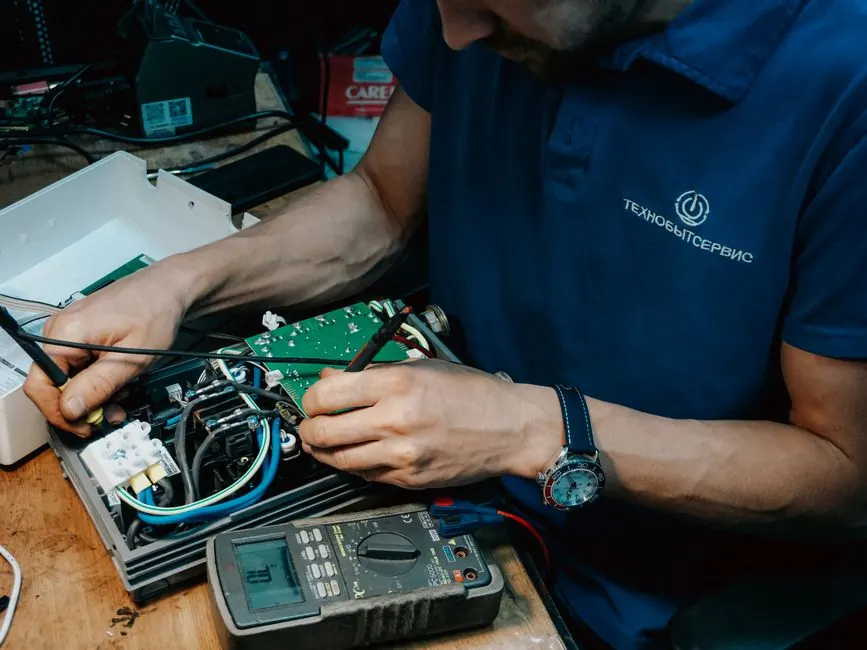
Tests electrical continuity on electric heaters and thermostats while we are on site. If pressure damage has stressed an element, we catch it before it fails.
Screwdriver set and nut drivers
Used for access panels, thermostat covers, and mounting brackets. Small tools, but they keep the job clean and the reassembly correct.
Pressure-matched bladder charging
We charge the new tank to the same psi as your home's incoming water pressure, usually 40 to 60 psi in Keller. A tank charged to the wrong pressure cannot absorb expansion properly and will fail early.
Capacity sizing to heater volume
The tank has to match the heater's gallon capacity. A 40-gallon heater needs a smaller tank than a 75-gallon unit. Undersizing is a common mistake we correct on almost every replacement.
Code-correct mounting and support
We strap or bracket the tank so it is not hanging off the pipe threads. Proper support prevents vibration cracks and keeps the connection stable through years of heat cycles.
Full-system pressure verification
After install we run the heater through a heat cycle and re-check pressure at the tank and the T&P valve. This confirms the whole system is balanced, not just the new part.
01
What we do: We test the old tank, confirm it is waterlogged or losing charge, and replace it with a correctly sized unit. We also check the anode rod and T&P valve since they are the same age and likely near end of life.
→ You get another several years out of the heater with a working pressure-control system, instead of a surprise failure mid-winter.
02
What we do: We add the missing tank, size it to the new heater, and charge it to your home's pressure. We also verify the relief valve and piping are correct for the new unit.
→ Your warranty stays valid, your relief valve stops working overtime, and the install passes inspection.
03
What we do: We isolate the tank, pressure-test the line, and inspect the fitting and copper pipe. If the tank is the source, we replace it. If the pipe is pitted, we cut and re-solder that section at the same time.
→ One visit, one dry connection, and no guessing about which part was actually leaking.
04
What we do: We install a code-correct tank, tag it, and give you the documentation for the report. We can usually schedule this within a day or two of your call.
→ The flagged item is cleared, the closing stays on track, and the buyer has proof the work was done right.
Keller sits in Tarrant County, and most homes here are on closed plumbing systems with a backflow preventer or pressure-reducing valve. That means expanding water has nowhere to go, so the expansion tank takes the hit. Our water is hard, which speeds up sediment buildup and shortens tank life. Summer heat pushes incoming water temperatures higher, and winter cold snaps stress fittings and pipes. We see a spike in calls after the first freeze each year, usually for dripping relief valves and leaking tank connections. If you need Keller TX water heater thermal expansion tank service, we stock common tank sizes on the truck so most jobs finish in one visit. Typical 2026 pricing for a standard replacement runs $180 to $450, and we quote it flat before we start.
Hidden Lakes
Many two-story homes here have the heater in an upstairs closet, so we bring drop cloths and work carefully around finished floors.
Old Town Keller
Older homes often have original copper lines and tight mechanical closets, so we plan for cut-and-solder work more often here.
Marshall Ridge
Newer builds on closed systems with pressure-reducing valves. We see a lot of missing or undersized expansion tanks on these installs.
Overton Ridge
Larger heaters are common here, so we stock the bigger 4.5-gallon tanks to match 75-gallon units without a second trip.
Hard municipal water with high mineral content
Sediment buildup raises pressure and shortens tank life. We flush the heater during replacement so the new tank is not fighting a dirty system.
Closed systems with backflow preventers
Expanding water has nowhere to escape, so the expansion tank is the only pressure relief. This is why the tank fails first and why replacement is not optional.
Summer heat and winter freezes
Temperature swings stress fittings and connections. We see more leaking tank connections after the first hard freeze each year, so we pressure-test every joint.
Most customers call us with a symptom, not a diagnosis. These are the four complaints we hear most from Keller homeowners, and what a proper replacement does about each one.
Problem
The T&P valve opens because pressure has nowhere else to go. Left alone, it corrodes, sticks open, and can flood the pan or the floor around your heater.
Our Fix
We replace the waterlogged expansion tank, charge it to your actual system pressure, and test the relief valve. In most cases the valve stops dripping the same day. If the valve itself is worn, we replace it too.
Problem
A leaking expansion tank looks like a failing water heater, which scares homeowners into replacing an appliance that still has years left. The real fix is often a $200 part.
Our Fix
We trace the leak to its source before quoting anything. If the tank is the culprit, we swap it and dry-test the connections. If the heater tank itself is leaking, we tell you straight and quote replacement options.
Problem
Sediment buildup and high pressure make the tank pop and rumble. It is noisy, it shortens tank life, and it usually means the expansion tank has stopped absorbing pressure.
Our Fix
We replace the expansion tank and flush the sediment while we are on site. Most customers notice the heater runs quieter within a day, and the flush helps the tank last longer on Keller's hard water.
Problem
Inspectors flag missing or waterlogged expansion tanks on closed systems, and it can hold up a sale. Buyers see it as a sign the plumbing has been neglected.
Our Fix
We install a code-correct tank, tag it, and provide documentation you can hand to the inspector or buyer. Most inspection-flagged jobs are done same-day or next-day so closings stay on schedule.
A failed expansion tank does not just drip. It stresses every fitting, valve, and gasket on your water heater until something bigger lets go. Here is what a proper replacement gets you.
Stops Relief Valve Drips
A waterlogged tank pushes excess pressure straight at your T&P valve, which then drips or dumps water on the floor. Once we install a correctly charged tank, that pressure has somewhere to go and the valve stays shut. Most customers notice the puddle under the heater is gone within the first day.
Protects the Whole System
Constant thermal stress wears out copper pipe, fittings, and the tank itself. Replacing the expansion tank on schedule is far cheaper than repairing a split copper line or a leaking water heater tank. One $200-$400 part protects a $1,500-plus appliance.
Fixes Noisy, Popping Heaters
High pressure and sediment buildup make a heater pop and rumble as it heats. We check the anode rod and flush sediment while we are on site, so you get quieter operation and longer tank life. Many Keller homes on hard municipal water need this every couple of years.
Keeps You Code-Correct
Keller TX expansion tank service is not optional on a closed system. Texas plumbing code and most manufacturer warranties expect a working thermal expansion tank. We install to spec, tag the tank, and leave the system ready for any future inspection or home sale.
Google ★★★★★4.9
Fast, clean, and honest. They tested the tank, showed me it was waterlogged, and had a new one in within the hour. Charged it to match our house pressure, which the last installer never did. No drips since.
Yelp ★★★★★4.8
Called about water near the heater and they came out the same afternoon. Turned out to be the expansion tank, not the heater. Saved me from replacing an appliance that still had years left. Fair price and good communication.
BBB ★★★★★4.9
We needed an expansion tank installed to clear a home inspection. They scheduled us quickly, did clean soldered work, and gave us the paperwork for the report. Professional from the first call to the final walkthrough.
Our technicians are state-licensed plumbing contractors who work on Rheem, AO Smith, Bradford White, and Bosch equipment every week. We carry NATE certified techs for the gas and electrical side, and we pull permits when the job calls for it. Because we are local, we know which Keller neighborhoods sit on closed systems, which streets deal with high incoming pressure, and how Tarrant County inspectors want the work finished. That local experience saves you callbacks and guesswork.
Real answers to the questions we hear most often from local homeowners and property managers.
When your heater is past saving, we install a new unit and set the expansion tank at the same time. One visit covers the tank, the heater, and the pressure check, so you are not paying two call-out fees.
View Water Heater Installation & ReplacementTankless units still need expansion control on a closed system. We service Rheem and Bosch tankless heaters and add or replace the small expansion tank that protects the unit's internal components from pressure spikes.
View Tankless Water Heater RepairA failed expansion tank often shows up alongside gas-side trouble like pilot light issues or a bad thermocouple. We diagnose both in one trip and repair the gas valve or burner while we are already on site.
View Gas Water Heater RepairHigh pressure stresses electric elements and thermostats. If your heater keeps tripping the reset or throwing a thermostat failure, we test the elements and replace the expansion tank together to stop the cycle.
View Electric Water Heater RepairNot every puddle is the tank. We trace leaks to the fitting, the T&P valve, or the expansion tank connection and fix the actual source. A leaking water heater is often a five-minute diagnosis and a one-hour repair.
View Water Heater Leak RepairWhen pressure wins and the tank splits, we handle the emergency: shut off, drain, haul out, and install a new heater with a fresh expansion tank and relief valve. Same-day emergency service across Keller.
View Burst Water Heater ReplacementWe're here to help! Reach out to us for any questions or to schedule a service. We typically respond within the hour.
Phone
(817) 839-0768Address
Keller, Texas
Hours
Mon–Fri: 7AM – 7PM
Sat: 8AM – 4PM
Sun: Emergency Only
24/7 Emergency Available